
Today’s homeowners place a high value on residential lighting, as we spend the majority of our time at home. We want to feel an immediate sense of warmth and comfort the moment we walk through the door—and lighting plays a pivotal role in creating that atmosphere! A well-executed lighting design can transform a space from ordinary to extraordinary. Today, let’s talk about the right light color for the living room—the heart of the home, where we spend most of our time gathering with family and friends.
When selecting lighting fixtures for your living room, it is essential to first understand the concepts of “color temperature” and “brightness.” Color temperature (measured in Kelvins) determines whether the light leans toward the warm or cool end of the spectrum. These elements not only influence how well the lighting integrates with your interior decor, but they also help set the perfect tone for various activities—whether you are relaxing, reading, resting, or chatting with others.
Understanding Color Light
Color temperature also the color light, is a key element in lighting, influencing both the atmosphere and functionality of a space. Measured in Kelvin (K), it describes whether the light emitted by a light source leans toward the “warm” or “cool” end of the spectrum.
The Kelvin scale spans from warm, yellowish tones to cool, bluish ones. This not only affects how light interacts with interior decor but also alters our perception of color.
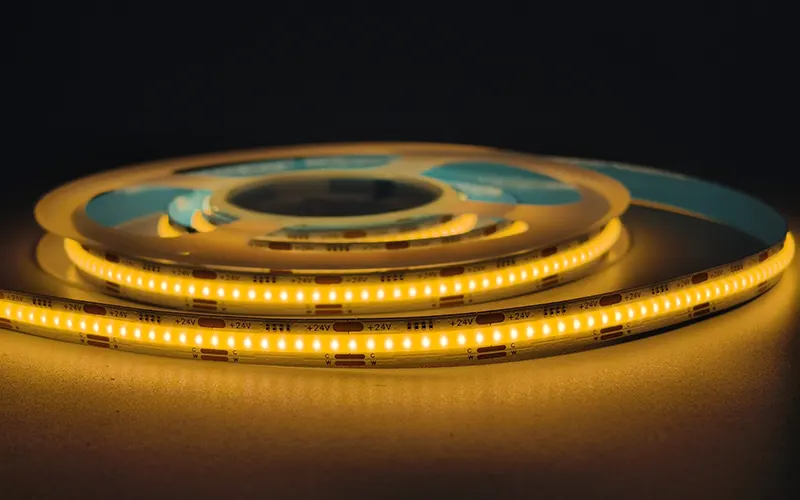
2000K–3500K (Warm White)
Warm light within this range creates a cozy and comfortable atmosphere. This warm light color glow accentuates the rich textures of wooden furniture, making a living room feel more inviting and pleasant.
For living room lighting, a color of 2700K or 3000K is typically chosen.
4000K–4500K (Cool White)
Light in the 3000K–4500K range is more neutral and balanced; it provides clear illumination without being as harsh or glaring as daylight.
It is well-suited for multi-functional areas, as it offers the bright, crisp light needed for activities like reading or socializing, while still maintaining a comfortable and pleasant environment.
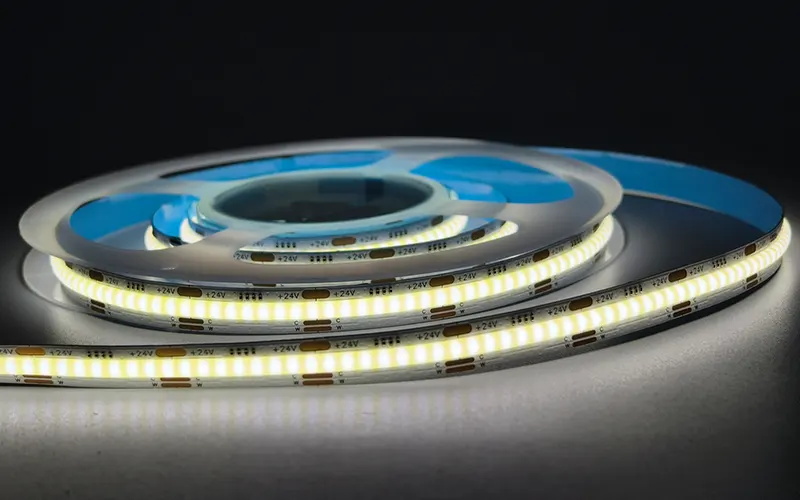
4500K–6500K (Daylight)
This color temperature simulates natural daylight, producing a crisp, cool-toned light with a subtle blueish hue. It effectively illuminates a space, helping people feel more energized and alert.
Light of this type is also commonly used in living rooms, typically serving as the primary light source. It is an ideal choice for activities such as working or assembling jigsaw puzzles.
Which Color Light is Best for Living Room?
There is no single, universal answer; the best lighting for your living room depends on the specific atmosphere you wish to create. However, we generally recommend a warm white light in the 2700K to 3000K range as an ideal choice.
This color temperature fosters a relaxed and pleasant ambiance, making it perfect for spaces designed for comfort and leisure. Soft and inviting, warm white light enhances the coziness and approachability of a living room, helping anyone in the space feel completely at ease.
Warm white light is highly versatile; it complements both neutral and warm-toned decor. It also softens wall colors and creates a gentle, soothing atmosphere that promotes relaxation. By enhancing the sense of warmth and intimacy, this type of lighting is excellent for spaces intended for both unwinding and hosting guests in a cozy, welcoming environment.
On the other hand, for interiors with a modern, minimalist aesthetic, a cool white light—ranging from 3500K to 4000K—is an excellent choice. This color temperature provides a crisper, more energetic visual effect that pairs perfectly with modern decor.
Cool white light offers clear, neutral illumination, making a space appear brighter and more expansive. It also effectively highlights furniture with clean lines and various other elements of modern design.
How Do You Choose the Brightness for Living Room Lighting?
When selecting color light for your living room, it is helpful to understand the term “lumen,” as it is a key factor in achieving the brightness level needed to create a comfortable and functional space. A lumen measures the total amount of light emitted by a bulb or light fixture.
For most living rooms, a total brightness of 1,500 to 3,000 lumens is generally recommended, with the specific amount depending on the size and intended use of the room.
Smaller rooms may be well-suited to the lower end of this range, while larger spaces, or those that serve multiple functions—may require a level toward the higher end.
Is the Lighting in Your Living Room Designed in Multiple Layers?
Yes, living room lighting can and should be diverse. Through a multi-layered lighting design, you can create a dynamic living space that serves various functions.
Lighting is generally categorized into three types: ambient lighting (general illumination), task lighting (functional illumination), and accent lighting (decorative illumination).
General Lighting
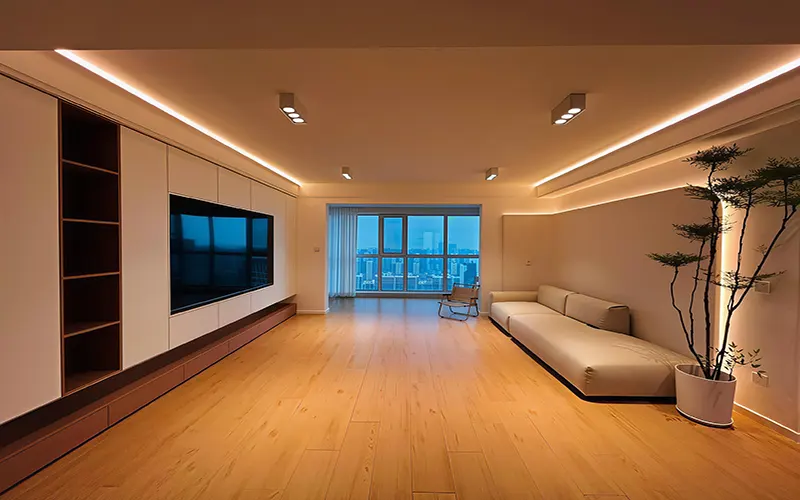
General lighting serves as the primary light source within a space, designed to illuminate the entire room and create a comfortable, inviting atmosphere. Opting for a color temperature of 2700K–3000K is ideal for achieving this warm, cozy feel.
- LED Strips (installed within a false ceiling): This is a very common choice for achieving overall illumination. They provide uniform, wide-reaching light, ensuring the entire space is bright with a well-balanced distribution of light.
- Pendant Lights: Serving as both decorative focal points and functional light sources, pendant lights are an excellent addition. It is recommended to use bulbs with a warm white tone (2700K–3000K) to maintain a welcoming ambiance.
- Recessed Lighting (Downlights): Typically installed directly above the living room sofa, these fixtures offer a clean, modern, and minimalist look. They effectively illuminate the space while minimizing the creation of harsh shadows.
Accent Lighting
Accent lighting is designed to highlight architectural features or decorative elements in a living room, adding visual interest and enhancing the overall atmosphere of the space. The choice of light tone—whether warm or cool—can influence the mood you wish to create. Below are some common examples:
- Spotlights: Specifically designed to illuminate artwork or wall decor. Neutral or cool white light (3500K–4500K) is ideal for rendering the true colors of an artwork and accentuating its details.
- Wall lights (sconces): Mounted on walls, these fixtures cast light upward or downward to create visual focal points, adding depth and dimension to the space.
Functional Lighting
Functional lighting is designed to provide focused illumination for specific activities, such as reading or working. Using cool white bulbs (4000K–5000K) is generally more effective, as they produce a brighter light that helps reduce eye strain.
Reading Floor Lamps: Ideal for a reading nook in the living room, these lamps allow you to direct light precisely where it is needed. Pairing them with cool white bulbs (4000K–5000K) ensures clear, comfortable lighting while minimizing eye fatigue.
Decorative Table Lamps: Suitable for side tables or seating areas, these lamps offer practical illumination. They often feature adjustable brightness, giving you the flexibility to tailor both the ambiance and the functional lighting to your needs.
Conclusion
For the living room, a light color temperature (2700K–3000K) is generally the best choice. This type of light enhances the existing color palette, creating a harmonious, cohesive, and inviting atmosphere.
When selecting lighting fixtures, consider the room’s color scheme, its intended function, and your personal preferences—whether you prefer the cozy ambiance of warm light or the modern, crisp feel of cool white light. Please reach out to us for more information on our LED strip lights and LED neon flex.
FAQs
For living room lighting, a warm white light between 2700K and 3000K is generally the best choice. If your living room also needs to accommodate activities like reading, working, or other tasks, you might consider a 4000K light source.
It depends on the atmosphere you wish to create. 3000K is a popular choice, as it is well-suited for relaxation and establishing a cozy ambiance. 4000K, on the other hand, is ideal for tasks like reading, cleaning, and other daily activities.
Yes, LED light strips are well-suited for living room lighting. You can install them in recessed ceiling coves, behind TV units, under shelves, or along walls. They are particularly effective for decorative and indirect lighting.
Certainly! RGB LED strips allow you to change the light color to suit your mood, the activity at hand, or your interior design style. For instance, you could choose blue or purple for entertainment, or green to create a relaxing atmosphere.
Yes, they are. Dimmable LED strips allow you to adjust brightness based on specific activities or the time of day. This flexibility makes them a highly practical lighting solution for modern living rooms.