
In nighttime lighting, the most common light color people encounter are mainly concentrated in the warm and neutral color light range, with color temperatures typically between 2700K and 4000K. However, in recent years, more and more nightlights have begun to use low-blue-light colored light sources, such as red and orange, especially popular in nurseries, elderly rooms, or sleep-aiding scenarios. Overall, what is the best color for a night light?
What is the Best Color for a Nightlight?
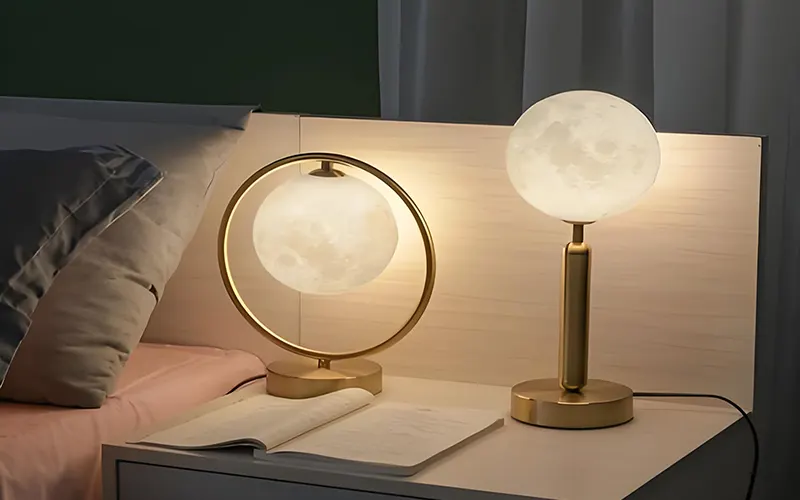
If you had to choose just one color as the “most ideal night light color,” then amber or warm orange light is generally considered the best choice. The reasons are mainly as follows: More details, pls read Is it Safe to Sleep with Led Strip Lights On?
Extremely low blue light content
Amber light has a longer wavelength and contains almost no blue light, so it does not significantly suppress melatonin secretion and has minimal interference with circadian rhythms.
Low visual stimulation
Compared to white light, orange or deep warm light is softer and less glaring in dark environments. The eyes don’t need to frequently adjust the brightness, making it more suitable for use when getting up in the middle of the night.
Sufficient Safety and Orientation
Indoors, although the brightness is not high, it is sufficient to illuminate the floor, bedside, and hallway, preventing bumps or falls at night.
Practicality and Comfort
If you’re considering the practicality and comfort of a night light, then a 2200K–2700K ultra-warm white night light is a good option. Warm-colored night lights with brightness adjustment or automatic sensing functions are particularly reliable and versatile choices.
What is the Best Light Color for Sleep at Night?
From a sleep-promoting perspective, red light is considered the most beneficial nighttime light source. This is because red light has almost no effect on melatonin. Melatonin is an important hormone regulating sleep, and red light has a very weak, even negligible, inhibitory effect on it.
It won’t “wake up” the brain; red light is usually quite low in brightness, preventing the brain from mistaking it for daylight, making it easier to stay sleepy.
It’s suitable for staying on all night. For people who need a light on all night (such as the elderly or families with infants), red nightlights are more stable and gentler than warm white light.
It’s important to note that red nightlights are only suitable for auxiliary lighting and are not suitable for reading or prolonged staring. If you prefer a nightlight that you “almost don’t notice,” red light is an excellent choice.
What Color Light Should Be Avoided at Night?
The most important thing to avoid in nighttime lighting is high color temperature, bluish light. We believe the following types of light should be avoided as much as possible:
- Cool white light (5000K and above): It contains a high proportion of blue light, which can easily stimulate the optic nerve. Therefore, it’s best not to install this type of light when sleeping. Commonly found in office lights, some bathroom lights, and cheap LED bulbs, it’s unsuitable for nighttime use.
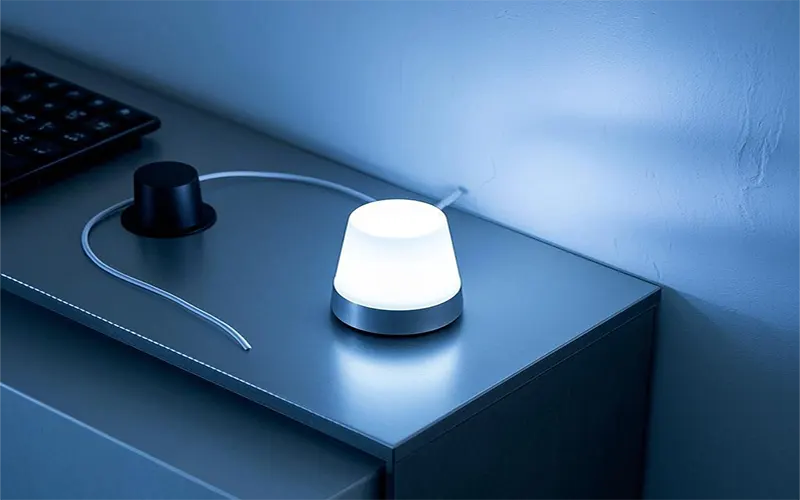
- Blue light source: It strongly suppresses melatonin, making the brain more alert. While blue nightlights may look nice, they are not sleep-friendly and are not recommended for use in bedrooms or sleeping areas.
- Excessively bright white light: Even warm white light, if too bright, can interfere with sleep. The core of a nightlight is not “illuminating the room,” but “just enough to see clearly.”
Summary
When choosing a night light color, comfort and its impact on sleep are far more important than brightness. It’s best to choose an amber or warm-toned nightlight with a light level of 2200K–2700K. A suitable nightlight color can provide sufficient security and convenience without disturbing sleep. The light at night doesn’t need to “illuminate everything”; its gentle presence is enough.
FAQs
The best nightlight colors for sleep are red or amber. These colors contain almost no blue light, meaning they don’t interfere with melatonin production, helping the body maintain a sleep state. So try to use red or 2200K-2700K light before bed.
Yes, red light is better than white light at night. White light contains some blue light wavelengths, which send signals to the brain to stay awake. Red light is gentler on the eyes and has the least interference with sleep.
Warm white light (2700K or lower) is definitely better for a night light than cool white light. Cool white light (4000K–6500K) is too stimulating at night and may negatively affect sleep quality. Cool white light is only suitable for use in work and workshop settings.
Yes, blue light is the least suitable color for nightlights. Blue light strongly suppresses melatonin secretion, delaying sleep onset and potentially making it harder to fall back asleep after waking up at night. Blue light also has some impact on the eyes, so it’s important to minimize exposure to it.