
When you’re in a space, do you sometimes feel a bit cold? Your lighting is likely the problem. — What is warm lighting, why is it important, and how can it transform any space with the magic of a portable heater?
Unlike lighting that emphasizes “brightness,” warm light focuses more on “ambiance.” It’s not glaring, nor does it make a space feel cold; instead, it adds depth and a sense of life to the environment. This is why warm lighting is increasingly used in homes, hotels, and high-end commercial spaces.
What Is Warm Lighting?
Warm light refers to light with a color temperature typically in the range of 2700K–3000K, presenting a soft yellow or slightly orange hue. It simulates the feeling of sunset or traditional incandescent light, thus giving a first impression of warmth, relaxation, and comfort.
In contrast, cool light (5000K and above) is brighter, whiter, and usually more glaring. It simulates sunlight; for example, cool light is used in offices and factories to keep people calm and alert. More information, pls read 5000K and 6500K Lighting: Which is the Best Light Color?
What is the Difference Between Warm and Cool Light?
We believe the core difference between warm and cool light lies in color temperature and visual perception. Therefore, they are not substitutes for each other, but rather serve different purposes.
Cool light (typically above 5000K) is whiter or even slightly bluish, appearing brighter and clearer, suitable for environments requiring concentration, such as offices or work areas. Warm light, on the other hand, is yellowish, softer, and emphasizes comfort and relaxation.
In practical applications, the difference lies not only in color but also in the spatial atmosphere: cool light makes a space appear more “clean and rational,” while warm light makes a space more “warm and inviting.”
Why is warm light more popular than cool light?
Generally, homes and residences use warm light as the primary source of warmth, but sometimes combining it with cool light is beneficial for your space and mind for the following reasons:
Relax Before Bed
Warm light helps you relax. It mimics the natural light of sunset. It helps your body release melatonin, making it easier to fall asleep.
Warm light is gentler on the eyes
No one wants to feel like they’re under a microscope while reading or watching TV. Warm light can reduce eye strain, especially at night, making your space feel like a safe haven.
Instantly Elevate the Ambiance
Warm lighting makes every room feel cozier, more stylish, and imbued with a greater sense of design. It conceals imperfections and softens sharp edges, giving your home the effect of a real-life Instagram filter.
Is Warm White Light or Cool White Light Better for Your Eyes?
There’s no absolute answer to this question, but it can be determined by the “usage scenario.” It mainly depends on personal preference, while also considering the purpose and effect of the lighting.
For most households, warm light is used for a longer period in daily life, thus providing a more user-friendly experience.
- Warm light, with its softer brightness contrast and lower blue light content, makes it easier for the eyes to relax during prolonged use, making it more suitable for rest, relaxation, or environments where you spend extended periods.
- Cool light, on the other hand, is better suited for short, highly focused tasks, such as reading, working, or fine motor tasks, as it provides clearer visual contrast.
In short, we can summarize it in one sentence:
- For relaxation and comfort—choose warm light.
- For focus and clarity—choose cool light.
Is Warm Light Suitable for Bedrooms?
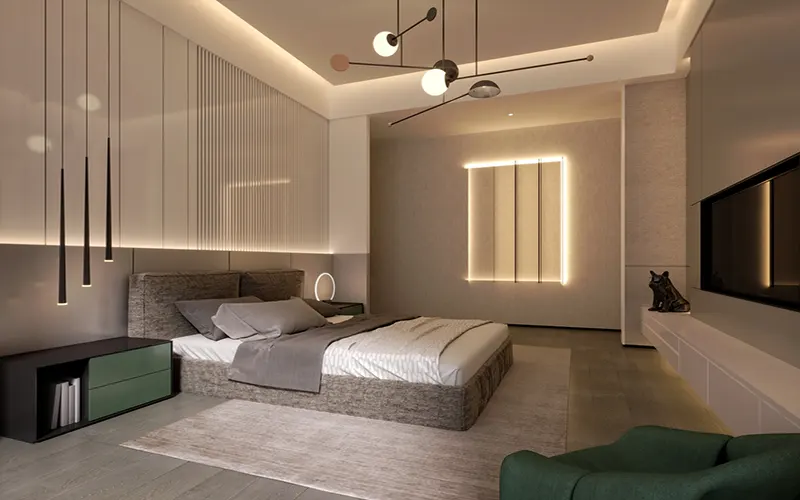
Bedrooms are among the most suitable spaces for warm light. Since the core function of a bedroom is rest and relaxation, warm light helps the body enter a relaxed state more quickly, while avoiding the discomfort caused by strong light. Compared to cool light, warm light is more conducive to creating a quiet and soft sleep environment.
In practical design, many bedrooms use a combination of LED strip lighting and indirect lighting, such as hidden light strips at the head of the bed, in the ceiling, or on the feature wall, allowing light to enter the space through reflection, further enhancing comfort.
Is Warm Lighting Suitable for the Living Room?
Whether to use warm lighting in the living room depends on your habits, but it’s a more popular choice in most homes. Our home also primarily uses warm lighting.
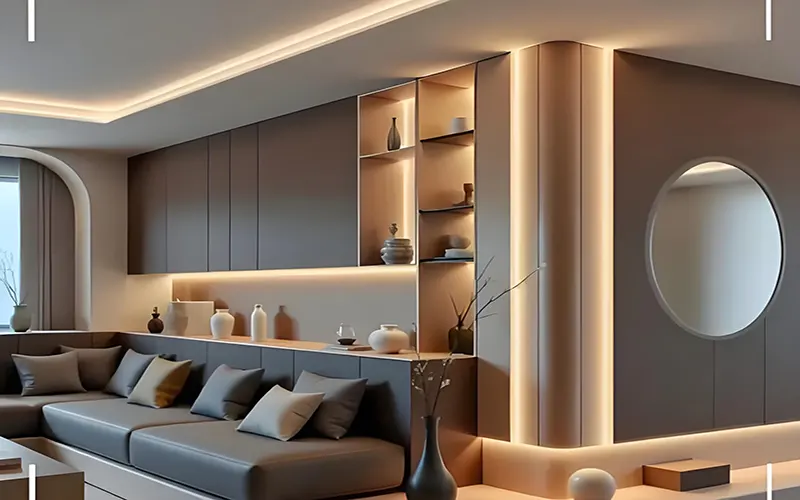
Warm lighting can make the living room feel more “livable,” especially in the evening, making it easier to create a relaxing family atmosphere. When paired with wooden furniture, fabric sofas, or dark-colored decor, warm lighting can also enhance the texture of the materials, making the space appear more sophisticated.
Of course, the living room can also use “hybrid lighting”: the main light provides basic brightness, while light strips or auxiliary lighting use warm light, thus balancing functionality and ambiance.
Where is Warm Light Suitable?
In short: anywhere. If we’re going to elaborate, consider the following scenarios:
Bedroom: To create a soft and comfortable sleeping atmosphere, warm-toned lighting makes people feel cozy and comfortable—both of which are crucial for stress relief. Studies have shown that soft lighting can lower heart rate and blood pressure, signaling to the body that it’s time to relax after a stressful day. More details, pls check What Is 2700K Color Temperature Best For?
Living Room: To create a comfortable sofa relaxation space, whether you’re reading, writing in a journal, or simply relaxing and watching your favorite show, warm-toned lighting can help you stay focused and enjoy the moment without feeling overly excited.
Dining Room: To create a warm atmosphere for gatherings with family and friends. Relaxed conversations and meals allow for mental and physical relaxation. Enjoy the moment without feeling overly excited.
Is Warm Light Suitable as Background Lighting?
Absolutely, and it’s one of the most common applications today. When used as background lighting (ambient light), warm light provides soft, indirect illumination without producing harsh direct light. It also enhances spatial depth, adding dimension to the overall environment.
Application Scenarios:
- TV background wall lighting strips
- Ceiling concealed lighting strips
- Cabinet or wardrobe interior lighting
- Commercial space display outline lighting
Conclusion
Warm lighting is not just a choice of light color, but also a way to control the atmosphere of a space. It upgrades the environment from “functional lighting” to “experiential lighting” through softer, more natural light.
Whether for residential or commercial projects, if you need warm light LED strips, please contact me.
FAQs
Warm light refers to a soft, yellowish glow. Warm white LED light strips specifically refer to light strips with a color temperature ranging between 2700K and 3000K. They closely mimic the effect of traditional incandescent bulbs, creating a comfortable and relaxing atmosphere within a space.
Warm light has a yellowish tint, creating a visually cozy and soft sensation; cool light appears whiter—or even slightly bluish—and feels brighter and crisper.
In environments where prolonged use is required, warm light is generally more comfortable. This is because it has a lower blue light content, resulting in less visual stimulation, making it more suitable for relaxation and rest spaces.
Many people mistakenly believe that warm light isn’t bright enough; however, brightness actually depends on lumens, not color temperature. If you require high brightness, you need to select high-power LED light strips.
Warm-light LED strips are highly suitable for use in bedrooms. Bedrooms require a relaxing and tranquil environment, and warm light helps reduce visual stimulation, aiding the body in entering a state of rest.